Foreign exchange rules are an important part of India’s business and financial system. As businesses continue expanding across international markets, the need to understand legal compliance connected to overseas transactions becomes increasingly important. Companies involved in foreign investments, exports, imports, and international financial activities must understand the legal structure governing these operations.
FEMA 2026 Regulations provide an important framework for managing foreign exchange activities in India. Businesses, investors, and financial institutions rely on these regulations to ensure compliance, transparency, and lawful handling of international transactions.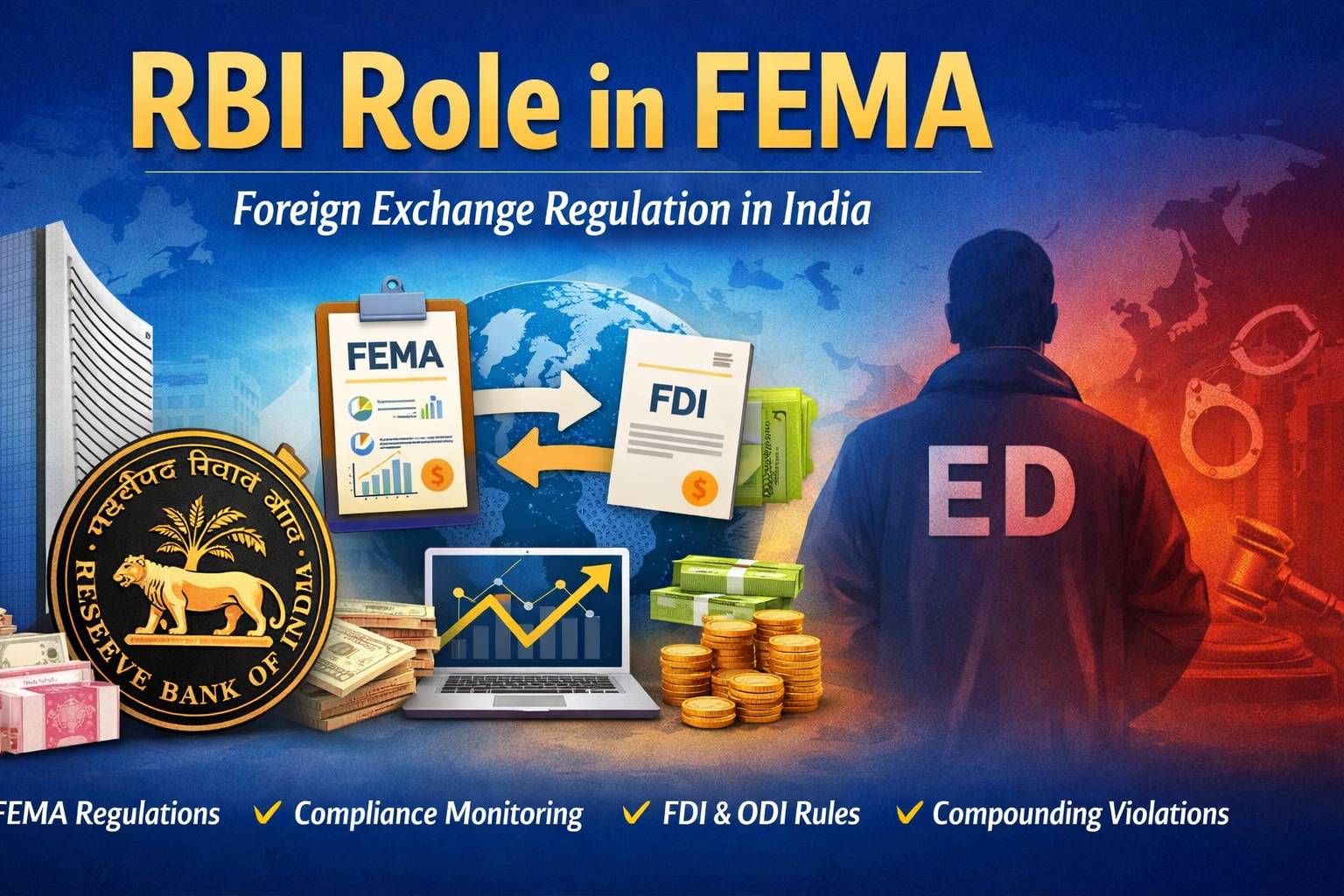
Understanding the Legal Framework of FEMA
The Foreign Exchange Management framework regulates transactions involving foreign exchange, cross-border payments, and overseas investments. Its objective is to facilitate external trade while maintaining an organized foreign exchange market.
The legal structure affects several business areas, including:
- Foreign direct investment
- Overseas borrowing
- Export and import payments
- International remittances
- Cross-border business operations
Companies involved in these activities must follow reporting rules, banking procedures, and documentation standards.
The compliance environment under FEMA 2026 Regulations reflects a stronger focus on transparent financial practices and structured regulatory oversight.
Key Components of the FEMA Legal Structure
The legal framework contains multiple elements that businesses should understand to manage compliance effectively.
Foreign Investment Rules
Foreign investment forms a major part of India’s business environment. Indian companies often receive overseas funding to support growth, innovation, and expansion.
Investment transactions may involve sector-specific limits, pricing rules, reporting timelines, and documentation requirements.
Businesses receiving foreign capital should maintain organized records to support regulatory compliance and operational transparency.
Understanding investment obligations helps companies avoid administrative complications and legal concerns.
Overseas Transactions and Remittance Laws
Businesses regularly make international payments for services, licensing agreements, software subscriptions, consulting support, and equipment purchases.
These transactions are generally governed through banking channels and supported by proper documentation.
The standards outlined under FEMA 2026 Regulations encourage businesses to maintain detailed transaction records and accurate financial reporting.
Export and Import Legal Requirements
Companies engaged in global trade must comply with foreign exchange rules linked to exports and imports.
This includes managing payment timelines, invoice documentation, shipping records, and banking compliance procedures.
Proper handling of trade documentation can help businesses reduce operational delays and maintain regulatory readiness.
Importance of Documentation in the Legal Framework
Documentation plays a central role in regulatory compliance.
Essential Compliance Records
Businesses should maintain complete and organized records related to foreign exchange transactions.
Important documents commonly include:
- Investment agreements
- Bank remittance proofs
- Commercial invoices
- Board resolutions
- Share allotment records
- Transaction approval documents
Accurate record management supports smoother audits, inspections, and financial reviews.
Role of Reporting Obligations
Regulatory reporting is another critical part of the legal framework.
Companies may need to complete filings connected with foreign investments, overseas transactions, and banking procedures within prescribed timelines.
Delayed or incomplete reporting can create compliance risks for businesses.
The reporting system linked with FEMA 2026 Regulations highlights the growing importance of timely submissions and digital documentation management.
Authorized Banking Channels and Compliance
Banks authorized to process foreign exchange transactions play an essential role in the legal structure.
These institutions review documentation, process remittances, and support businesses in handling foreign exchange activities according to applicable requirements.
Strong coordination with banking partners can improve transaction efficiency and reduce reporting difficulties.
Common Legal Compliance Challenges
Many businesses face practical challenges while navigating foreign exchange laws.
Understanding Complex Regulations
Foreign exchange regulations may contain technical rules involving investments, reporting procedures, transaction categories, and banking documentation.
Smaller businesses and startups sometimes find these requirements difficult to interpret.
Regular compliance reviews and professional consultation can help companies improve regulatory understanding.
Documentation and Filing Issues
Incomplete records, missed deadlines, and filing errors remain common compliance concerns.
Businesses should establish internal procedures to monitor reporting timelines and document quality.
Structured internal systems often reduce compliance risks and improve operational consistency.
Managing International Business Activities
Companies operating across several countries frequently handle multiple currencies, payment systems, and legal obligations.
Managing such operations requires organized compliance strategies and strong governance practices.
The legal approach reflected in FEMA 2026 Regulations supports stronger monitoring, accountability, and responsible handling of cross-border business activities.
Best Practices for Legal Compliance
Businesses can strengthen compliance performance through practical internal measures.
Create Internal Compliance Processes
Organizations should develop clear systems for documentation review, transaction approvals, reporting management, and foreign payment handling.
Defined procedures help reduce administrative errors and improve accountability.
Conduct Regular Legal Reviews
Periodic reviews allow companies to identify gaps in compliance management before they develop into larger issues.
Businesses should evaluate transaction records, reporting timelines, and internal controls regularly.
Seek Professional Guidance
Foreign exchange regulations often involve technical legal and financial requirements.
Professional support from compliance consultants, legal advisors, or finance specialists can help businesses navigate complex matters more effectively.
Following the standards connected with FEMA 2026 Regulations can support stronger governance, improved documentation practices, and better legal compliance outcomes.
Conclusion
Foreign exchange laws remain a significant part of India’s regulatory environment for businesses involved in international operations. Companies handling foreign investments, trade transactions, and overseas payments must understand the legal framework supporting these activities.
Understanding FEMA 2026 Regulations helps businesses strengthen compliance systems, improve reporting practices, and manage international operations more responsibly. Organizations that invest in proper documentation, regular compliance reviews, and informed legal oversight are better positioned for sustainable growth in today’s global business environment.